What Is DeFi? Decentralized Finance Explained
A plain-English introduction to decentralized finance: how smart contracts replace banks and brokers, what DEXs, lending protocols, and stablecoins do, and the risks to know first.
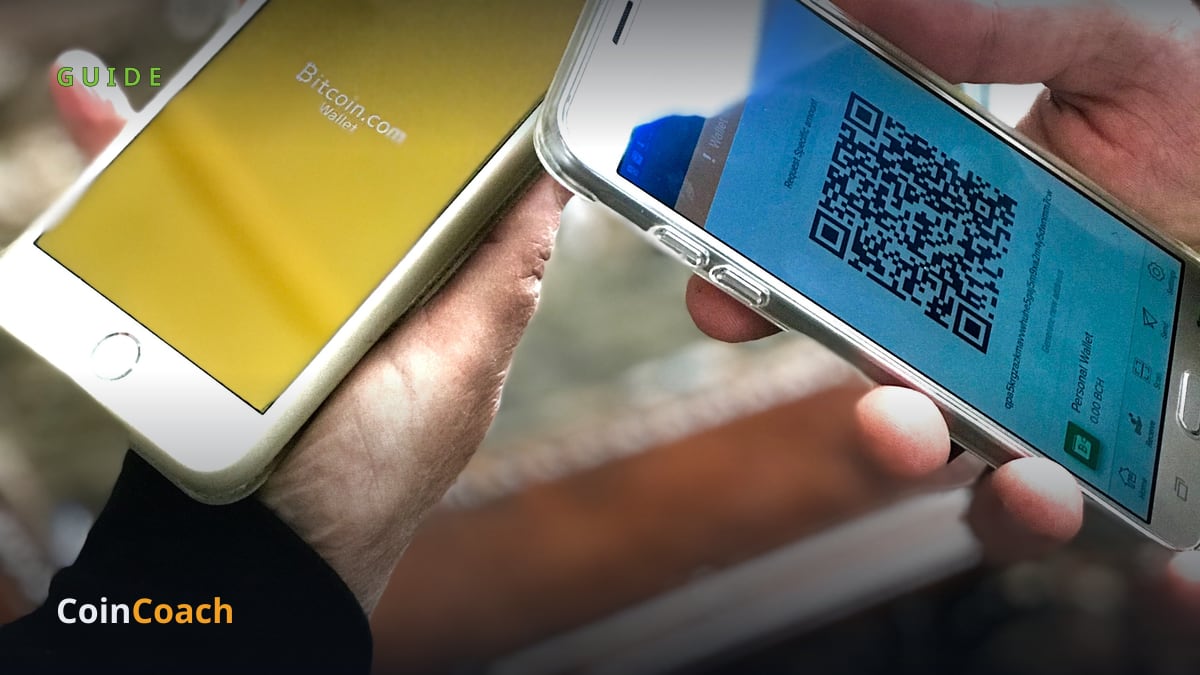
Photo: Hyena and thecryptokidd, CC0, via Wikimedia Commons
Imagine trading, lending, or earning interest on crypto without any company in the middle — that is the promise of DeFi. DeFi, short for decentralized finance, is a collection of financial services that run on public blockchains as software, with no bank, broker, or exchange operator required. This guide explains how DeFi works, what its main building blocks are, where the advertised yields actually come from, and the risks you should understand before trying any of it.
Why DeFi exists and how it works
Traditional finance runs on intermediaries: a bank holds your deposits, a broker matches your trades, and each one charges fees and decides who gets access. DeFi replaces those intermediaries with smart contracts — programs stored on a blockchain that execute automatically when their conditions are met. Once deployed, a smart contract does the same thing for everyone: it holds funds, enforces rules, and settles transactions without a company approving each step.
Most DeFi activity happens on Ethereum and similar smart-contract blockchains. To use it, you connect a crypto wallet directly to an application. There is no account signup and usually no identity check — which is both DeFi's main appeal and a big part of its risk.
The building blocks
Decentralized exchanges (DEXs). A decentralized exchange lets people swap one token for another straight from their own wallets. Most DEXs, including Uniswap, the largest, use an automated market maker (AMM) — a pricing formula that quotes trades against a pool of tokens instead of matching individual buyers and sellers. Those pools are called liquidity pools: shared pots of two tokens that other users deposit so trades always have something to trade against. Depositors, known as liquidity providers, earn a cut of the trading fees in return.
Lending and borrowing. Protocols such as Aave let users deposit crypto to earn interest, while borrowers take loans against collateral. Because there is no credit check, loans rely on overcollateralization — borrowers must lock up collateral worth more than the amount they borrow. If the collateral's value falls too far, the protocol automatically sells it to repay the loan, a process called liquidation.
Stablecoins. A stablecoin is a token designed to hold a steady value, usually pegged to the US dollar. Stablecoins act as DeFi's cash: people borrow, lend, and price trades in them to avoid crypto's volatility while staying on-chain.
Where the yields come from
DeFi apps often advertise rates well above a savings account. Before chasing a number, ask where the money comes from. Sustainable sources are real economic activity: trading fees paid by swappers, interest paid by borrowers, or rewards for helping secure a network. Less sustainable sources are token giveaways, where a project prints its own token to attract deposits. Those headline rates can collapse once the giveaway ends or the token's price falls. If a yield is far above prevailing interest rates and you cannot see who is paying it, the answer may eventually be you.
What to watch out for
DeFi removes intermediaries, but it also removes the safety nets they provide.
- Smart-contract bugs. The code holding your funds can have flaws. Hackers have drained billions of dollars from DeFi protocols over the years, and audits reduce but do not eliminate this risk.
- Scams and rug pulls. A rug pull is when a project's creators drain the funds users deposited and disappear. Anyone can launch a token or pool, so anonymous teams and too-good-to-be-true yields are red flags.
- No deposit insurance. Government deposit insurance such as FDIC coverage in the US applies to bank deposits, not crypto assets. If a protocol is hacked or fails, there is generally no one to make you whole.
- Regulatory uncertainty. While the US has begun regulating stablecoins, DeFi itself remains largely unregulated, and future rules could affect how protocols operate or who can use them.
- User error. Transactions are irreversible. Sending funds to the wrong address or signing a malicious transaction usually cannot be undone.
The bottom line
DeFi rebuilds familiar financial services — trading, lending, earning interest — as open software that anyone with a wallet can use. That openness cuts out middlemen, but it also means you carry all the risk yourself: buggy code, scams, and no insurance if things go wrong. If you explore it, start small, stick to long-established protocols, and never deposit more than you can afford to lose. This guide is for educational purposes only and is not financial advice.
Sources

CoinCoach publishes clear, trustworthy cryptocurrency and blockchain news, guides, token breakdowns, and reviews.
Related Stories
Bitcoin Halving Cycles: What History Shows and What It Doesn't

CBDCs vs. Crypto: What a Digital Dollar (or Loonie) Would Really Be