How to Read a Crypto Whitepaper Without Getting Fooled
Learn which sections of a crypto whitepaper actually matter, the red flags that signal a scam, and a 10-minute checklist for evaluating any project.
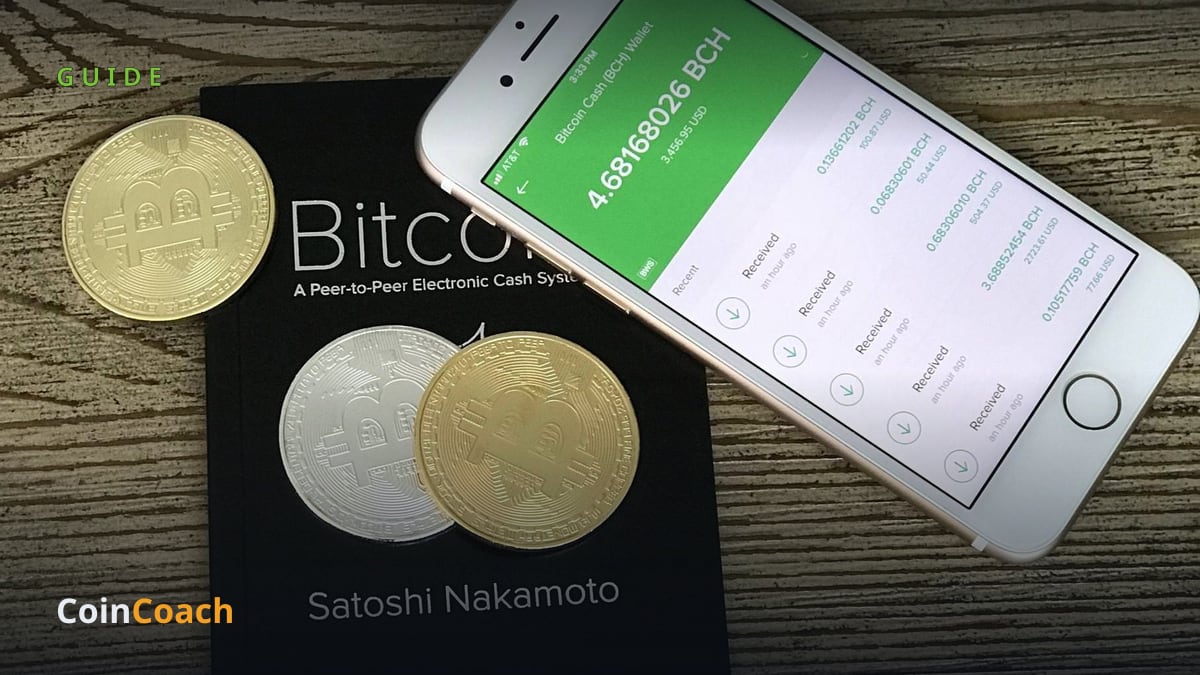
Photo: BitcoinXio, CC0, via Wikimedia Commons
Every crypto project, from Bitcoin down to the smallest meme coin, tends to publish a whitepaper. Most people never read them — and scammers count on that. The good news is you do not need a computer science degree to evaluate one. This guide explains what a whitepaper is, which sections actually matter, the red flags that should send you running, and a quick checklist you can apply in about ten minutes.
What a whitepaper actually is
A whitepaper is a document that explains what problem a project solves, how its technology works, and what role its token plays. The archetype is Bitcoin's paper, "Bitcoin: A Peer-to-Peer Electronic Cash System," published in October 2008 by the pseudonymous Satoshi Nakamoto. It runs just nine pages, states a clear problem (payments that rely on trusted middlemen), and describes a concrete mechanism for solving it. Its author stayed anonymous, but the code was public and there were no pre-allocated coins for insiders — a bar few projects since have cleared.
The five sections that matter
The problem. A serious paper names a specific, real problem. If the "problem" is vague — "revolutionizing decentralized synergy" — there may be nothing underneath.
The mechanism. How does it actually work? You do not have to follow every equation, but after reading you should be able to explain the basic idea in one sentence. If you cannot, the paper may be deliberately confusing.
Tokenomics — the economic design of the token: how many will ever exist, who gets them, and when. Look for the total supply, the allocation chart, and the vesting schedule — the timetable that controls when team and investor tokens unlock and become sellable. If insiders (team plus private investors) hold a large share — many analysts treat anything much beyond a third of supply as aggressive — you are buying what they will eventually sell.
The team. Named people with verifiable track records are accountable. Anonymity plus a large insider allocation is a dangerous combination.
The roadmap. Realistic milestones beat grand promises. Check whether past deadlines were actually met.
Red flags and green flags
The U.S. Securities and Exchange Commission has warned that fraudulent crypto offerings often feature a whitepaper with a "complex yet vague" explanation and promises of guaranteed returns. Watch for:
- Guaranteed or "risk-free" returns. No legitimate project can promise profits. This is the single clearest fraud signal.
- Buzzword soup. Strings of terms like "AI-powered quantum blockchain" with no explanation of how anything works.
- Anonymous team with a big allocation. Nobody accountable, holding tokens they can dump.
- Plagiarized text. Paste a few distinctive sentences into a search engine; copied papers are surprisingly common.
- A token with no real function. If the product would work fine without the token, the token mainly exists to be sold to you.
Green flags are quieter: a public code repository with real activity, independent security audits — paid reviews of the code by outside specialists — and honest discussion of trade-offs and risks. A paper that admits what its design sacrifices is usually written by people who understand it.
When the math works against you
Even an honest paper can describe a token that is stacked against buyers. Two terms make this visible. The circulating supply (or "float") is the number of tokens actually tradable today. The fully diluted valuation (FDV) is the token's price multiplied by the maximum supply that will ever exist. A "low float, high FDV" launch means only a small slice trades now, while a wall of locked tokens waits behind it. As unlock schedules release those tokens, new supply hits the market month after month — and early insiders who got tokens cheaply can sell profitably at prices that lose ordinary buyers money.
A 10-minute checklist
- Can you state the problem and solution in one sentence each?
- Does the token have a function beyond fundraising?
- What share of supply do insiders hold, and when does it unlock?
- Is the team identifiable, or anonymous with a big allocation?
- Is there working, audited code — or just promises?
- Any guaranteed returns, countdown clocks, or copied text? Walk away.
The bottom line
A whitepaper is a claim, not proof. Plenty of beautifully written papers preceded total losses, and a strong paper does not make a token a good buy at any particular price. Treat it as a filter for eliminating bad projects, not a reason to invest. This guide is for educational purposes only and is not financial advice.
Sources

CoinCoach publishes clear, trustworthy cryptocurrency and blockchain news, guides, token breakdowns, and reviews.
Related Stories
Bitcoin Halving Cycles: What History Shows and What It Doesn't

CBDCs vs. Crypto: What a Digital Dollar (or Loonie) Would Really Be