How to Buy Cryptocurrency Safely: A Step-by-Step Guide
A practical, step-by-step guide to buying your first cryptocurrency safely — from choosing an exchange to securing it.
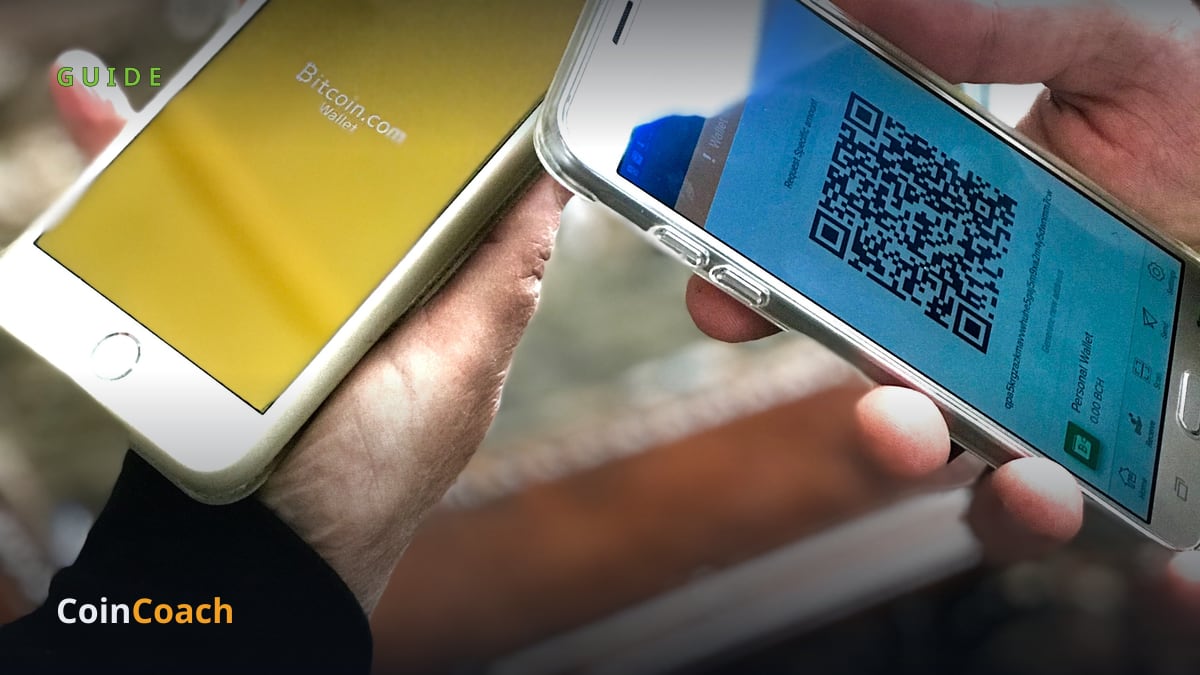
Photo: Hyena and thecryptokidd, CC0, via Wikimedia Commons
Buying cryptocurrency for the first time can feel overwhelming. There are hundreds of platforms, a wall of jargon, and genuine risks to navigate. This guide strips it back to what actually matters so you can get started with confidence.
Step 1: Choose a Reputable, Regulated Exchange
An exchange is the platform where you convert traditional currency (such as pounds, dollars, or euros) into cryptocurrency. Not all exchanges are equally trustworthy, so look for these qualities before signing up:
- Regulation and licensing — Check whether the platform is registered with a financial regulator in your country. Regulation is not a guarantee of safety, but it means the exchange is subject to oversight.
- Security track record — Look for independent security audits and published proof-of-reserves. Avoid platforms with a history of serious hacks or unexplained outages.
- Transparency — Reputable exchanges clearly publish their fee schedules, terms of service, and company information.
- User reviews — Read independently sourced reviews, looking for patterns of complaints around withdrawals or customer service rather than isolated incidents.
Avoid any platform you discovered via an unsolicited message, social media advert promising extraordinary returns, or an unfamiliar link.
Step 2: Complete Identity Verification (KYC)
Most regulated exchanges require Know Your Customer (KYC) checks before you can deposit funds. You will typically need to provide:
- A government-issued photo ID (passport or driving license).
- Proof of address (a utility bill or bank statement dated within the last three months).
- Sometimes a selfie or short video to confirm it is genuinely you.
KYC exists because exchanges are legally required in most jurisdictions to prevent money laundering and fraud. It is normal, not a red flag.
Step 3: Fund Your Account
Once verified, you can deposit funds. Common methods include:
- Bank transfer — Usually the lowest-fee option; may take one to three business days.
- Debit card — Faster but typically carries a higher transaction fee.
- Credit card — Some exchanges accept these, but using credit to buy volatile assets is generally inadvisable.
Always check the fee schedule before depositing, as costs vary significantly between platforms and payment methods.
Step 4: Start Small
Make a small first purchase to understand how the process works end-to-end before committing meaningful sums. Cryptocurrency markets are highly volatile — prices can fall sharply and without warning. Starting small lets you learn the mechanics without putting significant money at risk while you are finding your footing.
Step 5: Decide Where to Hold Your Crypto
This is one of the most important decisions a new buyer makes.
- Exchange custody — Leaving funds on an exchange is convenient, but you are trusting that platform to safeguard your assets. If the exchange is hacked, goes insolvent, or freezes withdrawals, you may lose access.
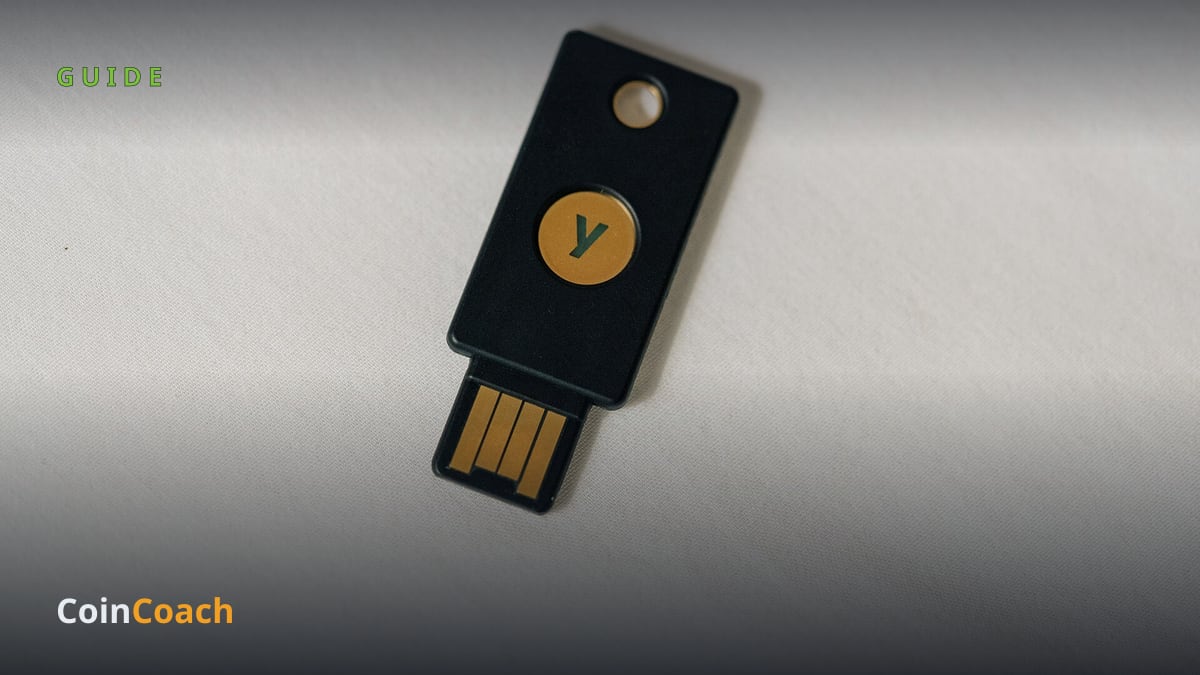
- Self-custody (your own wallet) — Withdrawing to a wallet you control means only you hold the private keys. A hardware wallet (a small offline device) is the gold standard for larger holdings.
The core principle: not your keys, not your coins. For amounts you cannot afford to lose, self-custody is worth learning.
Step 6: Security Hygiene
Regardless of how much you buy, these habits are non-negotiable:
- Use a strong, unique password for your exchange account — one you use nowhere else. A password manager helps.
- Enable two-factor authentication (2FA), preferably using an authenticator app rather than SMS.
- Never share your recovery phrase (also called a seed phrase) with anyone, ever. Legitimate support staff will never ask for it.
- Verify URLs every time you log in. Bookmark the official site and use only that bookmark. Phishing sites mimic real platforms almost perfectly.
- Be skeptical of unsolicited messages, emails, or calls claiming to be from an exchange.
Common Beginner Mistakes to Avoid
- Buying based on social media hype without doing your own research.
- Leaving large amounts on an exchange indefinitely.
- Sending crypto to the wrong address (transactions cannot be reversed).
- Neglecting to record your wallet recovery phrase securely offline.
A note on risk: Cryptocurrency is a volatile, speculative asset class. Values can fall substantially and quickly. Only commit funds you can afford to lose entirely. Nothing in this guide constitutes financial advice.

CoinCoach publishes clear, trustworthy cryptocurrency and blockchain news, guides, token breakdowns, and reviews.
Related Stories
Bitcoin Halving Cycles: What History Shows and What It Doesn't

CBDCs vs. Crypto: What a Digital Dollar (or Loonie) Would Really Be