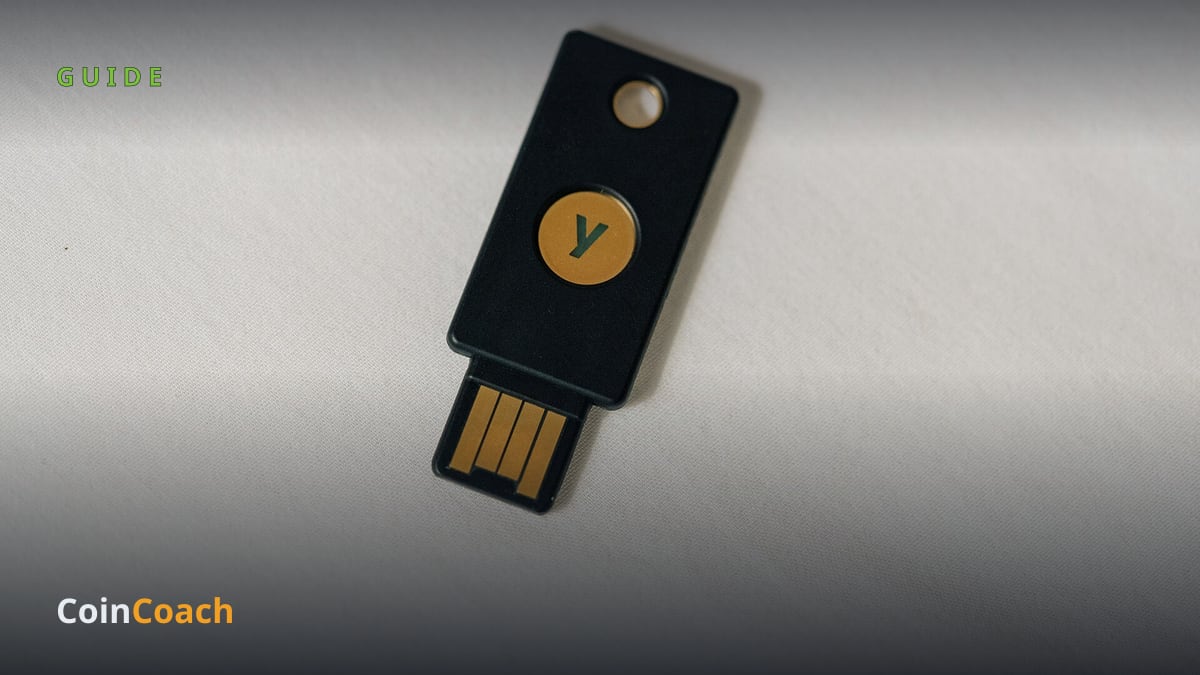
How to Spot and Avoid Crypto Scams
Learn the most common cryptocurrency scams, the red flags that give them away, and the habits that keep your funds safe.

Photo: Edwin.images, CC BY-SA 4.0, via Wikimedia Commons
Cryptocurrency scams are widespread, and victims lose significant sums every year. Understanding how they work — and what to look for — is one of the most valuable things a crypto user can learn. This guide covers the most common types, their shared warning signs, and the habits that keep you protected.
Why Crypto Attracts Scammers
Cryptocurrency transactions are irreversible. Once funds leave your wallet, there is no bank to call and no chargeback mechanism. Combined with the complexity of the space, this creates ideal conditions for fraud. Scammers exploit inexperience, excitement, and urgency — and they are often highly convincing.
Common Scam Types
Phishing (Fake Sites and Emails)
Phishing attacks impersonate legitimate exchanges, wallets, or projects. You might receive an email warning that your account needs urgent attention, with a link to a site that looks identical to the real one. Entering your login credentials hands them directly to the attacker.
Phishing also appears as fake browser extensions, fraudulent app store listings, and copycat social media accounts.
Fake Giveaways and Impersonation
A fake account — often impersonating a well-known figure or major project — announces a "giveaway" where sending a small amount of cryptocurrency will supposedly return a larger sum. It never does. These scams circulate widely on social media and video platforms, frequently using real footage or branding to appear legitimate.
Rug Pulls and Fake Tokens
Scammers launch a new cryptocurrency project — complete with a website, whitepaper, and social media buzz — attract investment, then abruptly withdraw all liquidity and vanish. This is a rug pull. The token's value collapses instantly. New, unaudited tokens with anonymous teams and promises of enormous returns deserve particular skepticism.
Romance and "Pig Butchering" Investment Scams
Pig butchering is a long-form fraud in which scammers build a relationship with their target over weeks — sometimes posing as a romantic interest — before introducing what appears to be a highly profitable investment platform. The platform is fake. Victims deposit ever-larger sums, see fabricated profits, and are then blocked when they attempt to withdraw. These scams are sophisticated and can be emotionally devastating as well as financially ruinous.
Fake Support Staff and Seed Phrase Requests
Scammers pose as customer support agents in forums and direct messages, offering to help with a problem before asking for your seed phrase (recovery phrase) or remote access to your device. No legitimate support team will ever ask for either. Handing over your seed phrase gives a scammer complete control of your wallet.
Universal Red Flags
Whatever form a scam takes, these warning signs appear repeatedly:
- Guaranteed or extraordinary returns — No investment, crypto or otherwise, can genuinely guarantee profit.
- Urgency and pressure — Scammers create artificial time limits to prevent you thinking clearly. "Act now or miss out" is a manipulation tactic.
- Requests for your seed phrase or remote access — This is an absolute line. Legitimate services never need this.
- Unsolicited contact — Unexpected messages offering investment opportunities, support, or prizes should be treated as suspicious by default.
- Requests to move funds to a new platform — Often the first step in a pig butchering scam.
Protective Habits
These practices significantly reduce your exposure:
- Never share your recovery phrase — Write it down on paper, store it securely offline, and treat it like a physical key to a vault. It never needs to leave that location.
- Bookmark official sites and verify URLs — Confirm you are on the genuine domain before entering credentials. Scam sites often use near-identical URLs, swapping a letter for a lookalike character.
- Use a hardware wallet for larger holdings — Keeping significant funds in a cold wallet that never touches the internet removes the most common attack vectors.
- Ignore unsolicited investment tips — Treat unexpected advice with skepticism, even from accounts you have followed for years; they may have been compromised.
- Verify before you trust — When in doubt, go directly to an official site or contact support through a channel you found yourself, not one provided in the suspicious message.
- Take your time — Scammers rely on speed. Slowing down is itself a defense.
The most effective protection is simply understanding that these scams exist and recognizing their patterns before you encounter them.

CoinCoach publishes clear, trustworthy cryptocurrency and blockchain news, guides, token breakdowns, and reviews.
Related Stories
Bitcoin Halving Cycles: What History Shows and What It Doesn't

CBDCs vs. Crypto: What a Digital Dollar (or Loonie) Would Really Be