Hot Wallets vs. Cold Wallets: Where Should Your Crypto Live?
Learn the difference between hot and cold crypto wallets, the risks of each, and the practical storage split most people use to keep their funds safe.
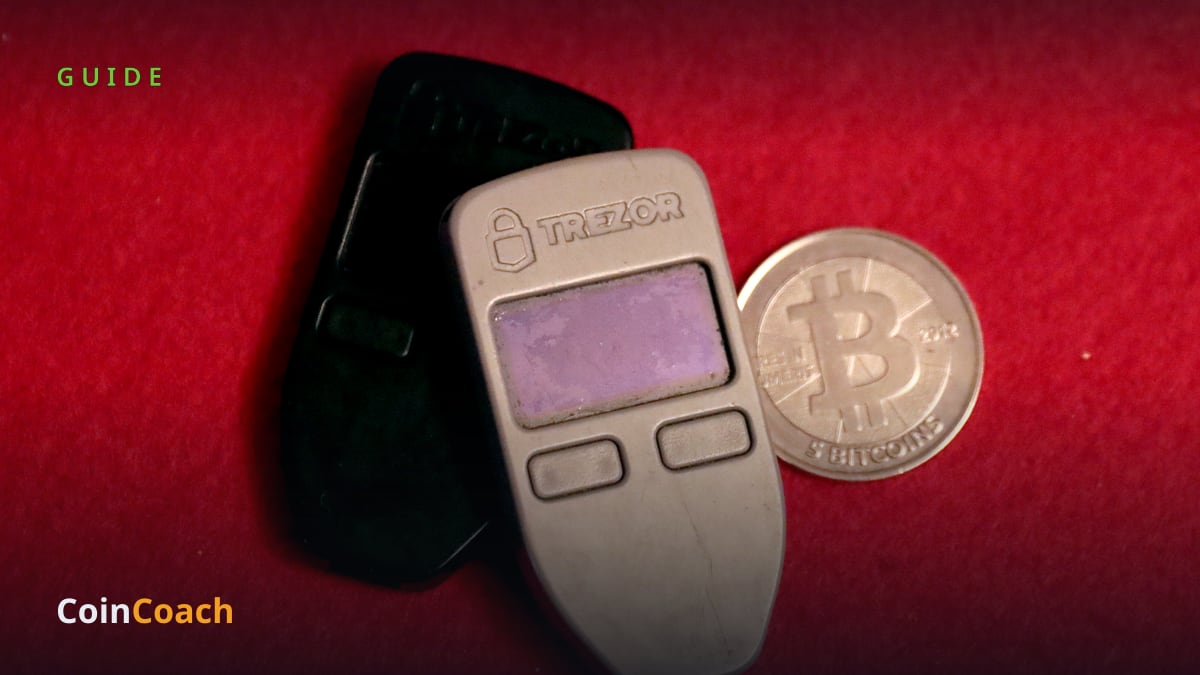
Photo: Gage Skidmore, CC BY-SA 3.0, via Wikimedia Commons
Ask where your crypto is "stored," and the honest answer is: on the blockchain, always. What you actually store is the key that controls it. That key can live on a device connected to the internet (a hot wallet) or one kept offline (a cold wallet), and that difference shapes how safe your funds are. This guide explains what wallets really hold, how hot and cold storage differ, and the practical setup most people end up using.
Your wallet holds keys, not coins
A wallet doesn't contain coins the way a leather wallet contains cash. Your coins are entries on a public ledger. What a wallet holds is your private key — a secret code that proves ownership and authorizes transactions. Whoever knows the private key controls the funds, full stop. As the U.S. Securities and Exchange Commission notes in its investor bulletin on crypto custody, a lost private key generally means permanently lost assets — no company or government can recover it for you.
So "hot vs. cold" is really a question of where that key sits and what can reach it.
Hot wallets: connected and convenient
A hot wallet — any wallet whose keys live on an internet-connected device — comes in two common forms:
- Exchange accounts. When you buy crypto on an exchange and leave it there, the exchange holds the keys. In effect you hold an IOU from a company.
- Mobile and browser wallets. Phone apps and browser extensions store keys on your device. You control them, but the device is online.
Hot wallets let you trade, spend, and use apps instantly. The trade-off is constant exposure.
Cold wallets: offline by design
A cold wallet keeps keys on something that never touches the internet:
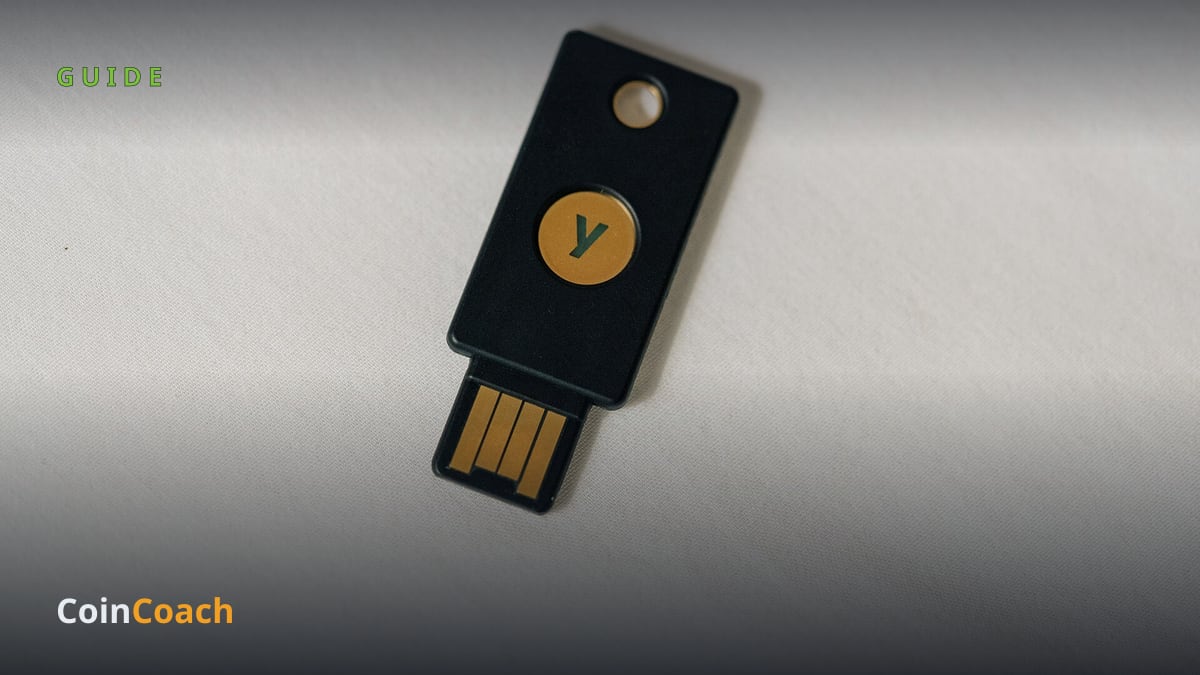
- Hardware wallets — small dedicated devices that sign transactions internally, so the key never leaves the device even when you plug it in.
- Paper or steel backups — the key (usually as a seed phrase) written or stamped on a physical medium.
Cold storage trades convenience for safety. Sending funds takes more steps, but a remote attacker has nothing to grab.
What can go wrong with each
Hot wallet threats are mostly remote: phishing sites, fake wallet apps, malware that reads keys from your device, and exchange breaches. On February 21, 2025, attackers stole roughly $1.5 billion in ETH and staked-ETH tokens from the exchange Bybit — the largest crypto theft on record — by manipulating what looked like a routine internal transfer.
Cold wallet threats are mostly physical and personal: losing the device, fire or flood destroying a paper backup, forgetting where you hid the seed phrase, or buying a tampered hardware wallet from an unofficial seller. Cold storage shifts the risk from hackers to you.
Custodial vs. self-custody — and the seed phrase
Just as important as hot versus cold is who holds the keys. In a custodial setup — such as an exchange account — a company controls the keys, and you trust it to honor withdrawals. That trust can fail: when the exchange FTX collapsed in November 2022, customers learned their balances were claims in a bankruptcy, not coins they controlled. With self-custody, you hold the keys yourself. Nobody can freeze your funds, but nobody can save you from your own mistakes either. The saying "not your keys, not your coins" sums up the difference.
Self-custody wallets give you a seed phrase — typically 12 or 24 words, defined by a standard called BIP-39, that can regenerate every key in the wallet. Anyone who sees those words controls everything. Write the phrase on paper or metal, store it somewhere secure, and never type it into a website, photograph it, or save it in cloud notes.
The practical split most people use
Most experienced holders don't choose a side. A small amount stays in a hot wallet for spending, trading, and trying apps — money you could tolerate losing, like cash in a pocket. Long-term savings sit in cold storage, ideally a hardware wallet bought from the manufacturer's official store, with the seed phrase backed up separately. The common mistakes are predictable: leaving large balances on exchanges indefinitely, storing seed phrases digitally, buying secondhand hardware wallets, and skipping a small test transaction before moving a large sum.
The bottom line
Hot wallets are for moving money; cold wallets are for keeping it. Decide how much you genuinely need at your fingertips, protect the rest offline, and guard your seed phrase like the master key it is. This guide is for educational purposes only and is not financial advice.
Sources

CoinCoach publishes clear, trustworthy cryptocurrency and blockchain news, guides, token breakdowns, and reviews.
Related Stories

Bitcoin Halving Cycles: What History Shows and What It Doesn't

CBDCs vs. Crypto: What a Digital Dollar (or Loonie) Would Really Be