Seven Crypto Myths That Refuse to Die
Seven persistent crypto myths — from both fans and critics — examined against what the evidence actually shows.
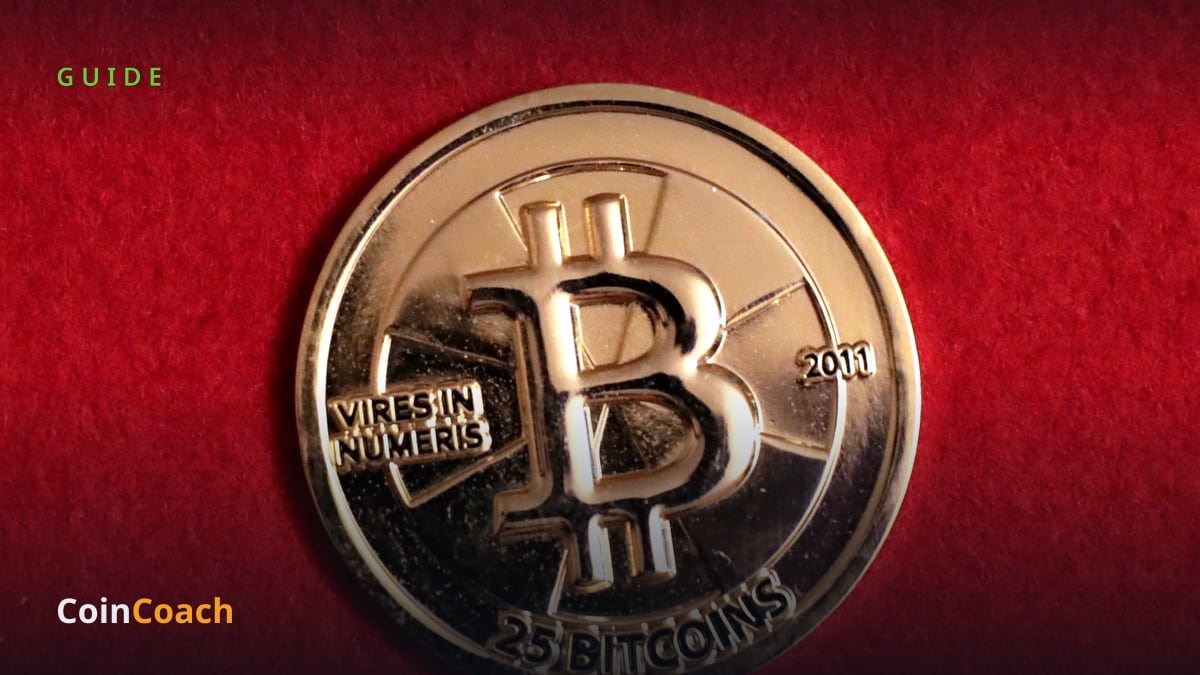
Photo: Gage Skidmore, CC BY-SA 3.0, via Wikimedia Commons
Crypto inspires strong opinions, and strong opinions breed myths. Some of the most persistent ones come from enthusiasts, others from critics — and both kinds keep circulating years after the evidence has moved on. This guide walks through seven of the most stubborn myths, where each came from, and what is actually true.
Myth 1: "Crypto is anonymous"
This one took hold during early coverage of dark-web markets. In reality, Bitcoin and most major cryptocurrencies are pseudonymous — transactions are linked to addresses instead of names, but every transaction is recorded permanently on a public ledger anyone can inspect. Chain analysis — software that traces money as it moves between addresses — has become remarkably effective. In 2022, the U.S. Justice Department used it to recover about $3.6 billion in bitcoin stolen in the 2016 Bitfinex hack, six years after the theft. Physical cash is far more anonymous than most crypto.
Myth 2: "Bitcoin has no real-world use"
Critics often dismiss crypto as a casino with no purpose. That is too simple. In countries with high inflation or strict currency controls, crypto does practical work: Chainalysis found that Nigeria alone processed more than $92 billion in crypto transactions over a recent twelve-month span, much of it people protecting savings or sending remittances — money sent home by workers abroad. The honest caveat: in countries with stable currencies and reliable banking, most crypto activity is still speculation. Both things are true at once.
Myth 3: "Crypto is mostly used by criminals"
Crypto's dark-web origins gave this myth a long life. The data tells a different story. Chainalysis estimates that addresses linked to illicit activity received about $154 billion in 2025 — a record in dollar terms — yet that still amounted to less than 1% of all crypto transaction volume. Estimates in earlier years ranged from roughly 0.1% to 1%. Crypto crime is real and growing, but the overwhelming majority of activity is ordinary trading, payments, and transfers.
Myth 4: "It's a guaranteed path to wealth"
Bull markets mint this myth; bear markets bury it, briefly. Bitcoin's history is a series of brutal drawdowns — declines from a peak to a later low. From its November 2021 high near $69,000, bitcoin fell about 77% to roughly $15,500 by November 2022, and earlier cycles saw drops of more than 80%. Many smaller coins never recovered at all. Anyone promising guaranteed returns is describing something other than crypto — or running a scam.
Myth 5: "Blockchain fixes everything"
Around 2017, companies raced to put supply chains, real estate, and even lettuce on a blockchain. Most of those projects are gone. The highest-profile example, TradeLens — a global shipping platform built by IBM and Maersk — announced its shutdown in late 2022 after failing to reach commercial viability, and went offline in early 2023. The lesson: blockchains help in the narrow case where many parties need a shared record without trusting a middleman. For most business problems, an ordinary database is faster, cheaper, and easier to run.
Myth 6: "Quantum computers will kill Bitcoin tomorrow"
A sufficiently powerful quantum computer could, in theory, break the elliptic-curve cryptography that protects bitcoin addresses — the math that makes private keys effectively unguessable. But no machine close to that capability exists today. The U.S. standards body NIST finalized post-quantum cryptography standards in August 2024 and recommends phasing out vulnerable algorithms after 2030, and Bitcoin developers have drafted proposals such as BIP-360 for quantum-resistant addresses. It is a genuine long-term engineering challenge with years of warning and migration paths — not an overnight doomsday.
Myth 7: "You need to buy a whole Bitcoin"
This is the simplest myth and possibly the most common. Each bitcoin is divisible into 100 million units called satoshis (or "sats"), so you can buy $10 worth as easily as $10,000 worth, and every major exchange sells fractions. The myth likely persists because prices are quoted per whole coin, which makes bitcoin look like an all-or-nothing purchase. It isn't — though small purchases deserve the same caution as large ones.
The bottom line
Crypto's loudest fans and harshest critics both lean on claims that don't survive contact with the evidence. The technology is traceable rather than anonymous, genuinely useful in some places and speculative in others, marginal for crime, capable of devastating losses, no cure-all for business, and buyable in tiny fractions. Healthy skepticism in both directions is the best tool a newcomer can have. This guide is for educational purposes only and is not financial advice.
Sources

CoinCoach publishes clear, trustworthy cryptocurrency and blockchain news, guides, token breakdowns, and reviews.
Related Stories
Bitcoin Halving Cycles: What History Shows and What It Doesn't

CBDCs vs. Crypto: What a Digital Dollar (or Loonie) Would Really Be