
Trezor Model T Review
A balanced review of the Trezor Model T hardware wallet — its security model, usability, and who it suits.
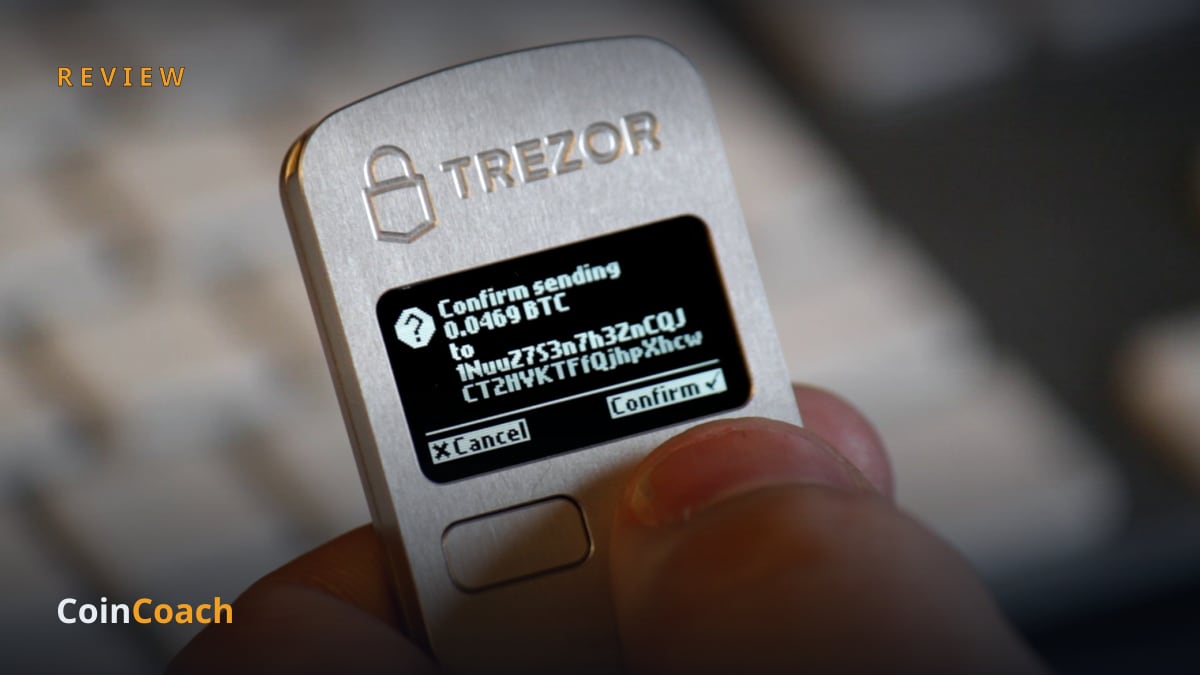
Photo: Ladislav Mecir, CC BY-SA 3.0, via Wikimedia Commons
A hardware wallet stores your private keys on a dedicated physical device, keeping them offline and away from the internet-connected software that most attacks target. The Trezor Model T is a well-regarded option in this category, made by SatoshiLabs, a company with a long track record in open-source security hardware.
What it is and how it works
The Model T plugs into a computer via USB. Your private keys are generated and stored on the device and never leave it. When you want to send funds, you confirm the transaction directly on-device — meaning an attacker who compromises your computer still cannot move your assets without physical access to the hardware and your PIN.
The firmware is open-source, so independent security researchers can inspect and audit the code — a meaningful property for a device whose entire value proposition is trustworthiness.
Security model
Authentication relies on an on-device PIN entered through the touchscreen. After a set number of incorrect attempts, the device wipes itself — a protection against brute-force attacks if the hardware falls into the wrong hands.
An optional passphrase (sometimes called a 25th word) adds a second layer on top of your recovery phrase. Even if someone obtains your seed, the passphrase prevents them from accessing your funds without knowing it. This is a powerful feature, but it comes with responsibility: forget the passphrase and access is permanently lost.
All accounts are derived from a recovery phrase — a list of words written down offline during setup. If the device is lost, damaged, or stolen, this phrase restores access to your funds on a new device. Protecting it — physically, not digitally — is the single most important responsibility of hardware wallet ownership.
Usability
The color touchscreen is the Model T's most visible upgrade over older hardware wallets. On-device confirmation of addresses and amounts is more comfortable when you can read them clearly on a proper display.
The companion software is Trezor Suite, a desktop and browser-based application for managing accounts and initiating transactions. The interface is approachable for people new to self-custody, and the setup flow guides you clearly through recording the recovery phrase.
The device supports a wide range of major cryptocurrencies and tokens, covering most assets a typical user would want to hold in cold storage.
Limitations worth knowing
The Model T sits at the premium end of the hardware wallet market. Trezor also makes cheaper devices — if you only hold Bitcoin and a handful of major coins, a less expensive model may serve you equally well.
There is no Bluetooth or mobile-first design. Connecting to a smartphone requires a USB-C cable and compatible app, which is less seamless than Bluetooth-enabled alternatives. If mobile access is a priority for you, that is worth factoring in.
Finally: a hardware wallet protects your private keys, not a carelessly stored recovery phrase. Write it down accurately, store it somewhere secure and fireproof, and never photograph or store it digitally.
Pros
- Open-source firmware — independently auditable
- Color touchscreen for comfortable on-device verification
- Broad asset support covering most major coins and tokens
- Established track record with a transparent company behind it
- Optional passphrase for an extra layer of security
Cons
- Higher price than entry-level hardware wallets
- No Bluetooth; mobile use requires a cable
- Premium features may exceed the needs of simpler portfolios
Verdict
The Trezor Model T earns its reputation as a solid, trustworthy hardware wallet. The open-source firmware, clear on-device interface, and flexible security options make it a genuinely good choice for anyone serious about self-custody. The price is the primary sticking point — it is not a budget device — but for what it offers, the Model T is difficult to fault. If you are ready to take your security seriously and comfortable managing a recovery phrase responsibly, it is well worth considering. 4.5/5

CoinCoach publishes clear, trustworthy cryptocurrency and blockchain news, guides, token breakdowns, and reviews.