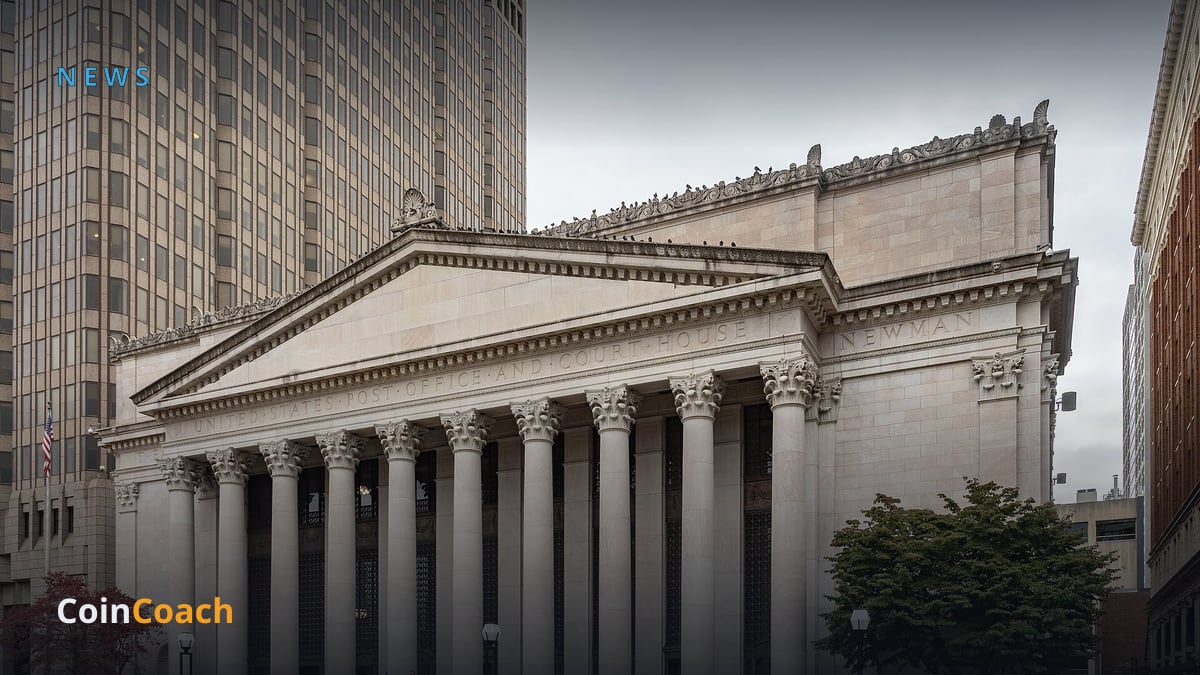
HTX Dumps the Trump-Linked USD1 Stablecoin After Its Wallets Were Frozen
World Liberty Financial froze exchange-linked USD1 addresses after UK sanctions hit an HTX-related entity; HTX responded by delisting the stablecoin and converting customer balances to USDT.
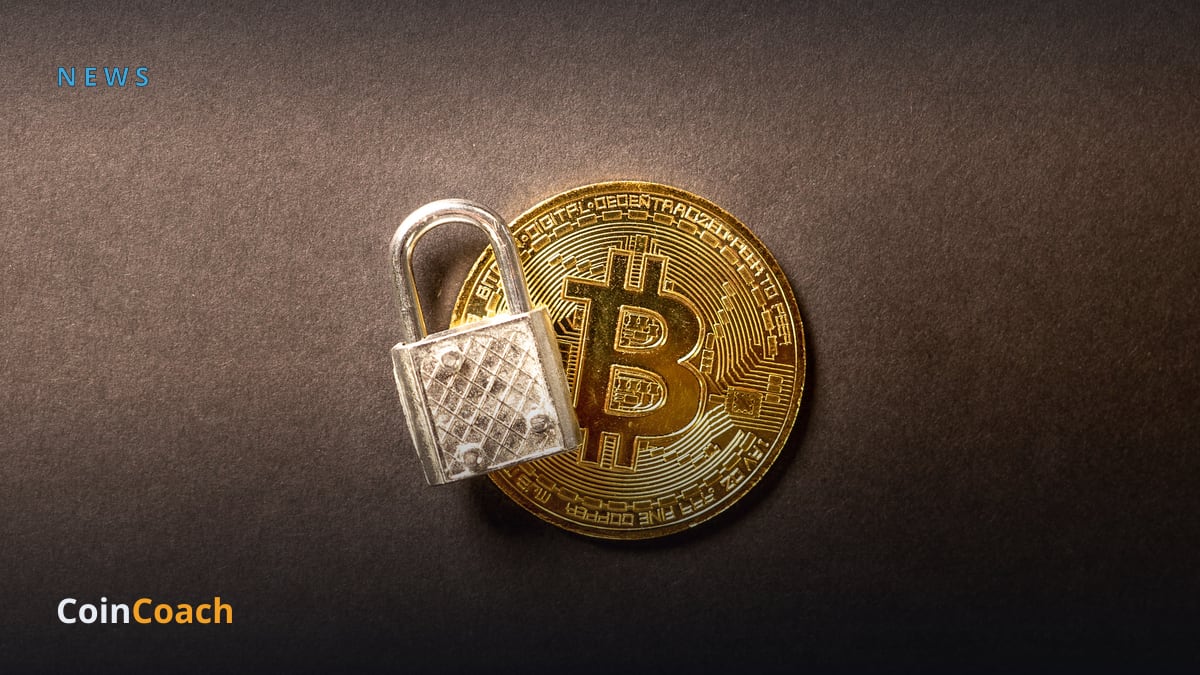
Photo: Edwin.images, CC BY-SA 4.0, via Wikimedia Commons
A standoff between the Trump-family-backed World Liberty Financial and the exchange HTX has turned into a case study in what "stablecoin" really means. After World Liberty froze USD1 stablecoin addresses linked to the exchange, HTX delisted the token outright on June 7, 2026, converting retail customers' USD1 balances to Tether's USDT at one-to-one.
How the dispute unfolded
The chain of events began on May 26, when the United Kingdom sanctioned Huobi Global S.A., a Panama-registered entity connected to HTX's corporate history, citing suspected facilitation of roughly $1.5 billion in flows tied to Russian sanctions evasion. World Liberty Financial — issuer of USD1, a dollar-backed stablecoin with more than $4 billion in circulation — responded by activating its on-chain blacklist: a function built into the token's contract that lets the issuer freeze specific addresses, making their USD1 untransferable.
HTX disputes the basis for the freeze, arguing the sanctioned entity is legally distinct from the exchange itself and that customer funds had no connection to sanctioned actors. After suspending USD1 trading pairs on June 5, the exchange removed the token entirely two days later, making customers whole in USDT.
It is the second time World Liberty has used its freeze power. In September 2025 it blocked a wallet holding roughly $595 million of tokens belonging to Justin Sun — the Tron founder and an early World Liberty investor — during an earlier dispute. (HTX itself is closely associated with Sun, which adds a personal dimension to the feud.)
The lesson buried in the feud
Strip away the politics and personalities, and the episode demonstrates something every stablecoin holder should understand: most major stablecoins are freezable by design. USDT, USDC, and USD1 all include issuer-controlled functions to blacklist addresses, originally justified as tools for complying with sanctions and seizing stolen funds. Those powers do not distinguish between a sanctioned oligarch and an ordinary user who happens to hold tokens at the wrong venue — when an exchange's addresses are frozen, the customers behind those addresses are frozen too.
That is not a hidden flaw; it is the design. A regulated, fiat-backed stablecoin is a claim on a company, and the company controls the ledger entries. The properties people associate with crypto — censorship resistance, self-sovereign custody — do not apply, which is precisely why regulators have grown comfortable with these instruments.
What it means for users
For everyday holders, three takeaways. First, stablecoin risk is not only about whether reserves are real — it includes issuer discretion and the legal fights the issuer gets drawn into. Second, where you hold a stablecoin matters: the same token in self-custody, on a sanctioned-adjacent exchange, or on a regulated platform carries different freeze exposure. Third, diversification applies to stablecoins too. HTX's customers were made whole in this case; holders should not assume every such episode ends as cleanly.
Sources

CoinCoach publishes clear, trustworthy cryptocurrency and blockchain news, guides, token breakdowns, and reviews.
Related Stories
The Biggest IPO Wave in History Is Coming — and It's Competing With Bitcoin for Capital
Big US Banks Plan a Tokenized Deposit Network to Answer the Stablecoin Boom